What Technology Does Grab Use? Unveiling the Tech!

At the heart of Grab’s success lies an intricate technology ecosystem that is as dynamic as it is robust. This Southeast Asian giant has harnessed the power of a variety of technological tools and platforms to create a seamless user experience across its diverse service offerings. The question of what technology does Grab use unveils a multi-layered answer, encompassing everything from sophisticated mobile app development to advanced data analytics.
Grab’s tech stack is designed to support a super app that caters to various needs such as ride-hailing, food delivery, payment processing, and more. The company’s commitment to innovation ensures that it stays at the forefront of the digital economy in Asia. By exploring the components of Grab’s technology infrastructure, one gains insight into how digital solutions can be leveraged to build a versatile and scalable platform.
As a leader in providing custom software development services, Biz4Solutions understands the significance of adopting a technology stack that can adapt to the ever-changing market demands. For businesses looking to emulate Grab’s technological prowess or to innovate in their own right, partnering with a seasoned technology solutions provider is key. Biz4Solutions is poised to deliver software services that not only meet but exceed the expectations of clients looking to make a mark in their industry.
Mobile App Development: The Engine of Grab’s Platform
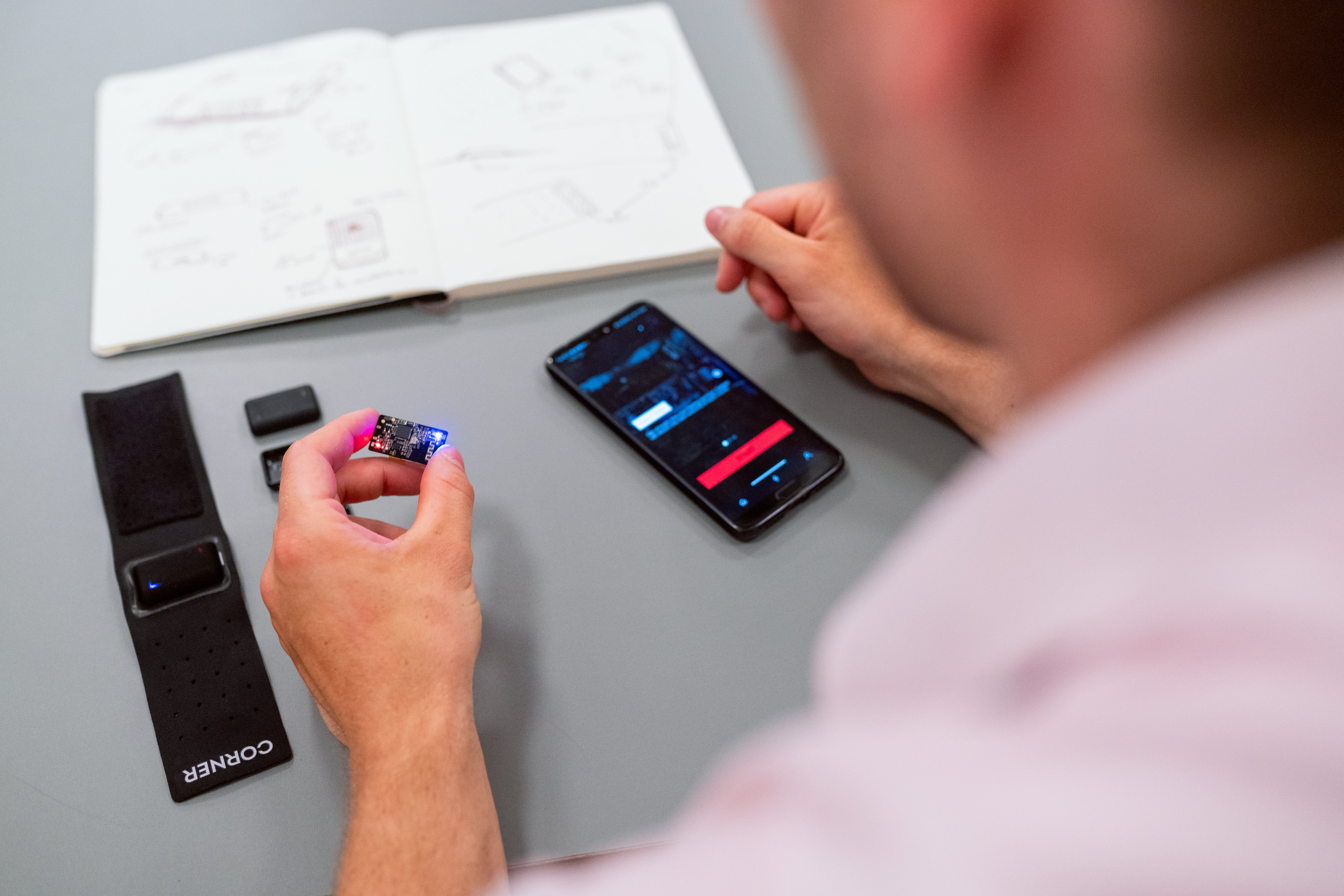
Mobile app development serves as the engine that powers Grab’s comprehensive platform, driving its array of services from ride-hailing to food delivery. The company has invested heavily in creating a user-friendly and intuitive app interface that simplifies complex transactions for millions of users. The app integrates various services into a single platform, providing a one-stop solution for consumers’ everyday needs.
Key to this ecosystem is the seamless integration of various functionalities, which is achieved through a meticulously architected backend and a robust API layer that allows for the smooth interplay between different services. The use of cutting-edge technologies such as geolocation, push notifications, and mobile payment systems ensures that Grab remains competitive in the fast-paced digital arena.
Moreover, the focus on mobile app security is paramount, as Grab handles sensitive user data and financial transactions. The adoption of advanced encryption and authentication protocols reflects Grab’s commitment to safeguarding user privacy and trust. The continuous evolution of its mobile app development practices underscores the company’s dedication to delivering a superior customer experience while staying ahead of the technological curve.
Data Analytics and Machine Learning in Grab’s Strategy

Data analytics and machine learning are pivotal components in Grab’s strategic framework, enabling the company to harness vast amounts of data for informed decision-making and innovative service offerings. Through the analysis of data collected from various touchpoints, Grab gains insights into customer behavior, preferences, and trends. This allows for the optimization of their services, from adjusting ride-hailing algorithms to improving food delivery times.
Machine learning algorithms play a critical role in personalizing user experiences. By analyzing historical data and user interactions, Grab’s systems can make predictive suggestions, offer customized discounts, and enhance route optimization for drivers. This level of personalization not only improves user satisfaction but also drives operational efficiency and reduces costs.
Furthermore, Grab leverages data analytics for dynamic pricing models. This involves calculating fares based on real-time supply and demand, weather conditions, and traffic patterns, ensuring competitive pricing and high availability. As Grab continues to expand its footprint across various markets, the strategic use of data analytics and machine learning becomes an even more significant driver of its success, positioning it as a smart and adaptive player in the transportation and delivery industry.
Cloud Computing: Scalability and Reliability for Grab

The adoption of cloud computing has been a game-changer for Grab, providing the necessary scalability and reliability to manage the fluctuating demands of the ride-sharing and delivery markets. By utilizing cloud services, Grab can dynamically scale its computing resources to accommodate the number of users and transactions without compromising performance, even during peak times or in the face of rapid growth.
Cloud infrastructure also ensures higher reliability and availability of Grab’s services. With data centers distributed across multiple locations, the risk of service interruptions is minimized, and data recovery processes are more robust. This redundancy is crucial in maintaining user trust, especially for an app that is expected to function seamlessly 24/7.
Moreover, cloud computing enables Grab to deploy updates and new features more swiftly and securely, keeping the app at the forefront of innovation. The ability to roll out services across different regions without the need for physical infrastructure reduces time-to-market and allows Grab to respond quickly to competitive pressures and changing market demands.
Ultimately, cloud computing not only supports Grab’s current operational needs but also lays the foundation for future expansion and the adoption of new technologies, ensuring that the company remains agile and resilient in the face of an ever-evolving digital landscape.
Payment Systems and Financial Tech at Grab
At the heart of Grab’s success is a sophisticated payment system that accommodates various financial technologies to ensure seamless transactions. Grab’s platform integrates traditional payment methods with innovative financial solutions to offer convenience and security to its users. The integration of mobile wallets, in-app credit systems, and local payment gateways enables users to choose their preferred payment method, fostering inclusivity and accessibility.
Grab’s financial tech stack is designed for high-volume transactions with robust security measures to protect against fraud and ensure data privacy. The use of encryption and secure protocols ensures that users’ financial information is safe, which is paramount for maintaining trust in the digital payment landscape.
Furthermore, Grab has ventured into the realm of financial services by offering products like microloans and insurance, leveraging its vast user base and data analytics capabilities. This expansion into fintech demonstrates Grab’s commitment to not just simplifying payments within its ecosystem, but also to enhancing the financial well-being of its customers and partners.
This multifaceted approach to payments and financial technology has been instrumental in Grab’s dominance in the Southeast Asian market, where diverse payment preferences and financial inclusion are critical factors. As Grab continues to innovate in this space, it sets the benchmark for what technology-driven companies can achieve in the financial sector.
Innovation and Future Tech Prospects for Grab

As Grab accelerates into the future, innovation remains at its core, driving the company’s success and expansion. The focus on leveraging emerging technologies positions Grab to redefine transportation and fintech services. Artificial Intelligence (AI) and Machine Learning (ML) algorithms are being honed to personalize user experiences, optimize service delivery, and enhance operational efficiency. Grab’s dedication to innovation also manifests in its exploration of the Internet of Things (IoT) to improve vehicle connectivity and smart cities integration.
Incorporating advanced analytics, Grab harnesses big data to forecast demand, improve ride allocation, and enhance customer satisfaction. This data-driven approach aids in decision-making and strategic planning for urban mobility solutions. As Grab eyes expansion, it looks to autonomous vehicle technology, which could revolutionize the industry by offering safer, more efficient, and cost-effective transportation options.
The future tech prospects for Grab are not confined to its current business model. The company is poised to explore new verticals and markets, potentially integrating augmented reality (AR) for immersive user experiences or tapping into blockchain for transparent and secure transactions.
For businesses looking to stay ahead of the curve and harness similar technological advancements, Biz4Solutions provides the expertise and innovation needed to turn visionary ideas into reality. Our team of experts specializes in delivering tailor-made software solutions that empower businesses to meet the challenges of the digital age and excel in their respective domains.